Hermannsburg · KwaZulu-Natal

Our Story

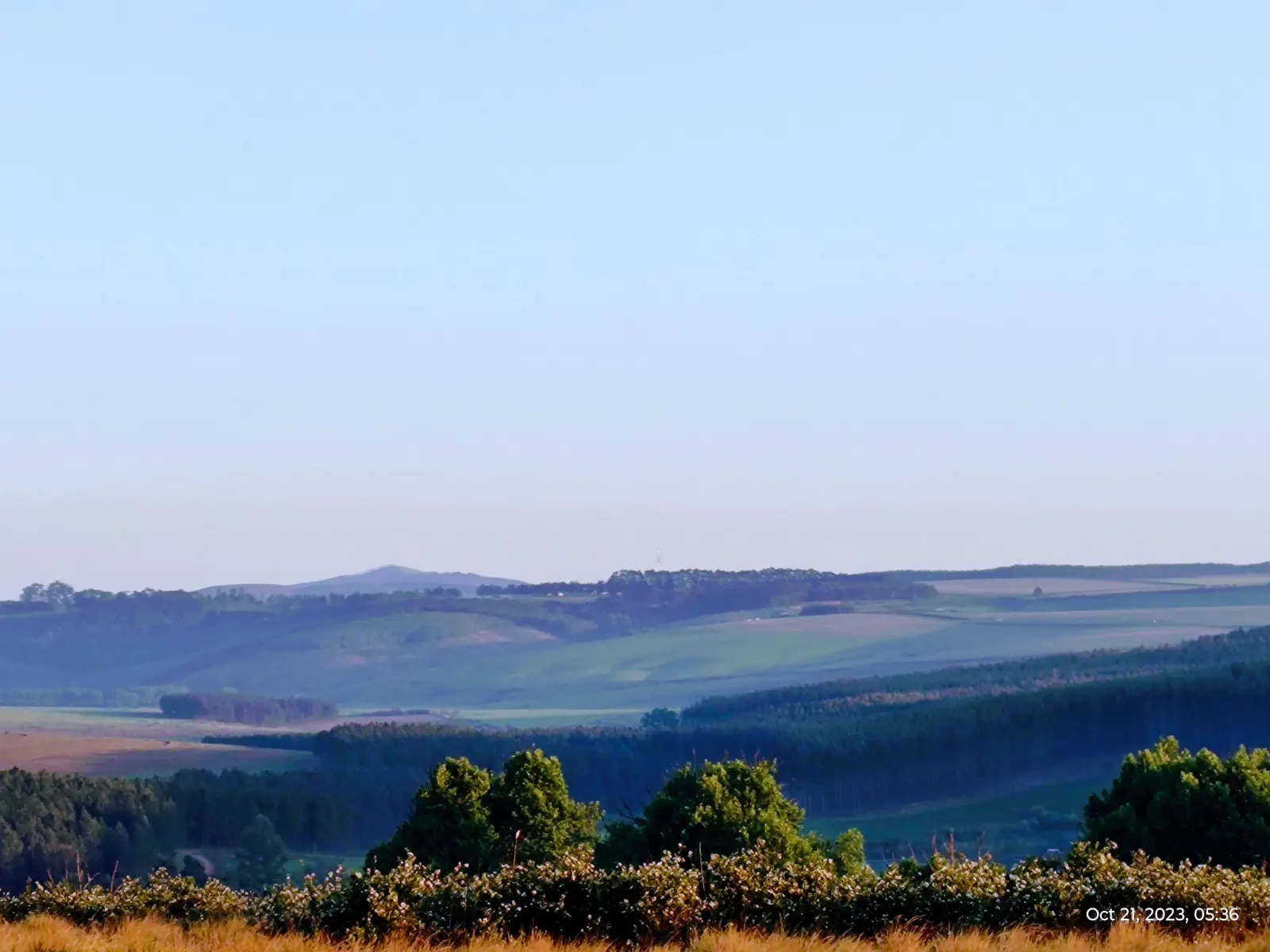
Grassland, fields and plantation slopes in the wider Hermannsburg landscape

01

A place between landscapes

Hermannsburg is a place between landscapes — shaped by many journeys, where learning continues to form community. The named settlement belongs to a much older human and ecological story: grassland and mistbelt, water and working land, memory and change.

Its history cannot begin in 1854. Zulu communities, earlier peoples of the wider region, Boer settlement and colonial Natal are part of the layered context in which Hermannsburg took shape. This page is an invitation to keep that wider story in view, not a final account of it.
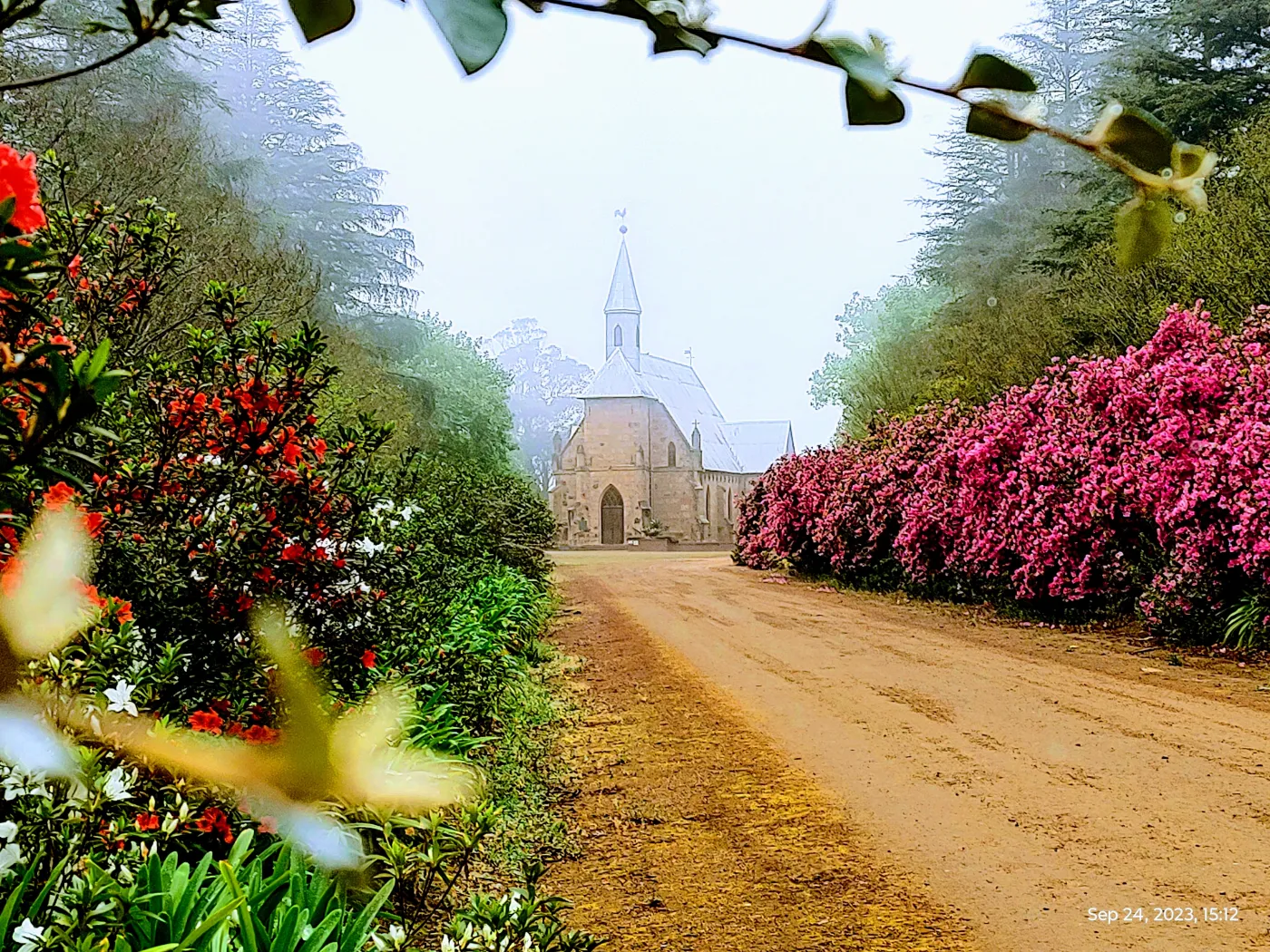
The Peter Paul Church at the end of an avenue framed by flowering azaleas

02

Settlement, learning and shared life

Missionary inheritance is one important tributary in Hermannsburg’s story. In 1854, German missionaries and artisans established a settlement at Perseverance Farm. Their arrival, institutions and records have shaped the village, but do not encompass all the lives, histories or knowledge held here.

Over time, the congregation, village and school became enduring places of learning and encounter. Present-day Hermannsburg is not a religious community: it is a place-based village where people of different cultures, languages, races and faiths share everyday life.

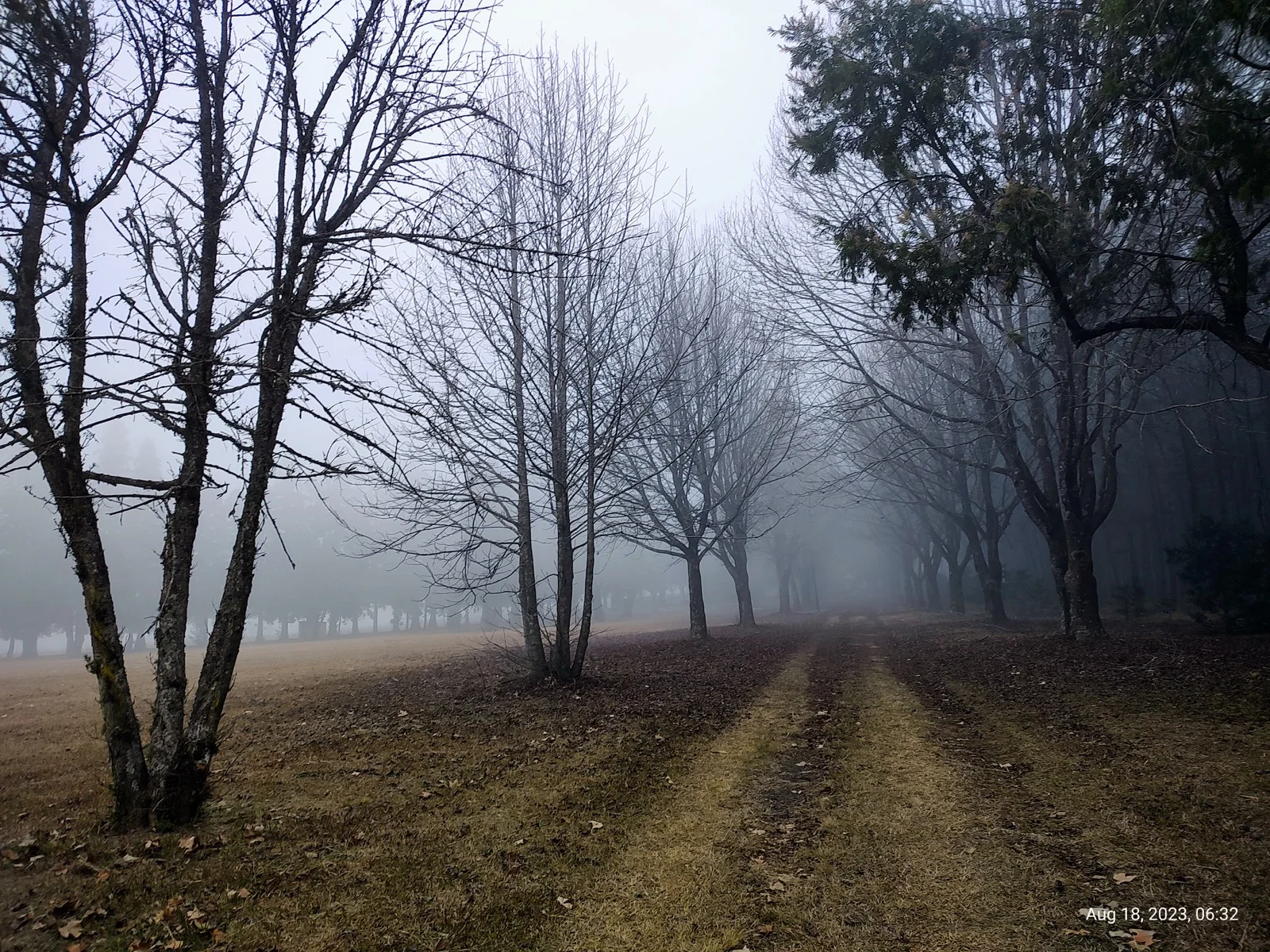
A misty avenue in the village grounds

03

Care, community and the present

Land, ecology, memory, settlement and learning remain connected in the way Hermannsburg is lived now. Gardening, work, music, family life, education and practical care for neighbours make community in small, continuing ways.

Its future depends on curiosity, kindness, mutual respect and a willingness to make room for difference. People do not have to be the same to live well together.